adsregime.com

Author name: younusiqbal94@gmail.com

Uncategorized

Meta Ads vs Boosted Posts Which One Is Better?

Meta Ads vs Boosted Posts Which One Is Better? If you are promoting your business on Facebook or Instagram, you have probably seen this button: Boost Post It looks simple. It feels easy. And it promises more reach. But here is the truth: Boosting a post is NOT the same as running proper Meta ads. If you want real leads, sales, and measurable results, you must understand the difference. Let’s break it down clearly. What Is a Boosted Post? A boosted post is when you take an existing Facebook or Instagram post and pay Meta to show it to more people. It is simple. You click BoostChoose audienceSet budgetRun That is it. It is designed for beginners. What Are Meta Ads? Meta ads are created inside Meta Ads Manager. This is the professional advertising platform used by serious marketers. Inside Ads Manager, you can: Choose campaign objectives• Control placements• Create custom audiences• Track conversions• Install pixel• Run retargeting• Optimize for leads or purchases This is where real advertising happens. Boosted Posts vs Meta Ads Comparison 1. Objective Control Boosted Post Mostly optimized for engagement, reach, or basic traffic. Meta Ads You can optimize for: Leads• Conversions• Sales• Messages• App installs Winner: Meta Ads If your goal is lead generation or sales, boosted posts are limited. 2. Audience Targeting Boosted Post Basic interest targeting. Meta Ads Advanced targeting: Custom audiences• Lookalike audiences• Website visitors• Engagement retargeting• Customer lists Winner: Meta Ads Better targeting = Lower cost per lead. 3. Tracking & Optimization Boosted Post Very limited tracking. Meta Ads With Meta Pixel you can: Track conversions• Track cost per lead• Optimize based on real data• Scale winning campaigns Winner: Meta Ads Without proper tracking, you are guessing. 4. Funnel Strategy Boosted Post No real funnel structure. Meta Ads You can create: Cold campaignWarm retargetingHot retargeting This reduces cost and increases conversion rate. Winner: Meta Ads 5. Cost Efficiency Many business owners think boosting is cheaper. It is not. Boosted posts often: Bring low quality engagement• Increase vanity metrics• Do not generate qualified leads Meta Ads are optimized for specific results, which makes them more profitable in the long run. When Should You Boost a Post? Boosting is okay if: You want brand awareness• You want more likes and comments• You are a small local page testing content But if you want: Leads• Sales• WhatsApp messages• Website conversions You should use Meta Ads Manager. Real Experience Insight In many accounts I have audited, businesses were boosting posts and complaining: “We are spending money but not getting leads.” After switching them to structured campaigns inside Ads Manager, their cost per lead reduced significantly. The difference is strategy. Final Verdict If you want serious business results: Meta Ads is better. Boosted posts are simpleMeta Ads are strategic Boosting is like driving in automatic mode.Meta Ads is like driving with full control. About Me Hi, I am Younus Iqbal. I have 5+ years of experience in Meta ads and Google ads and have generated 2000+ leads for businesses. If you are boosting posts and not seeing results, you are likely using the wrong strategy. Want Better Results From Your Ads? Stop boosting blindly. Start running structured campaigns that are designed to generate real leads and sales. Contact me today and let’s build a proper Meta ads system for your business.

Uncategorized

How to Lower Your Cost Per Lead Using Better Creatives

How to Lower Your Cost Per Lead Using Better Creatives Many advertisers try to reduce their advertising costs by adjusting targeting. They spend time refining audiences, changing interests, or testing different demographic groups. While targeting does play a role, it is often not the biggest factor affecting performance. In many cases, the real difference comes from your ad creatives. Why Creatives Matter So Much Your creative is the first thing people see in their feed. It determines whether someone stops scrolling, reads your message, and decides to click. If the creative is weak or uninteresting, people simply ignore the ad. But when the creative is strong and relevant, engagement increases naturally. Better creatives usually improve several important metrics at the same time. Click Through Rate When your creative grabs attention, more people click your ad. Engagement Stronger visuals and messaging encourage likes, comments, and shares, which helps the ad perform better. Conversions When the creative clearly communicates the value of your offer, more users take action. How This Reduces Your Cost Per Lead When key performance metrics improve, the advertising platform sees your ad as more relevant to the audience. This often leads to better delivery and lower costs. Higher click through rates and stronger engagement usually result in lower cost per click and lower cost per lead. Focus on Creative Quality Instead of constantly changing targeting, invest time in creating better ad creatives. Test different visuals, hooks, headlines, and formats to see what resonates with your audience. Small improvements in creative quality can have a significant impact on overall campaign performance. If you want help improving your ad creatives or optimizing your Facebook Ads campaigns, you can book a free consultation or request a Facebook Ads audit. I will review your campaigns and help you identify opportunities to lower your cost per lead.

Uncategorized

How to Lower Cost Per Lead in Facebook Ads

How to Lower Cost Per Lead in Facebook Ads Running Facebook ads, but your cost per lead is too high? You are not alone. Many businesses in Pakistan and internationally waste thousands of rupees because they focus on running ads instead of building a proper conversion system. If your CPL is increasing every month, this guide will show you exactly how to fix it. Why Is Your Cost Per Lead High? Before reducing cost per lead, you must understand the real reason behind it. In my 5+ years of experience managing Meta ads and generating 2000+ leads, these are the most common problems: Wrong audience targeting• Weak ad creatives• Poor landing page experience• No retargeting strategy• Campaign structure mistakes• Not testing properly Let’s fix them step by step. 1. Fix Your Audience Targeting Most advertisers either: Target too broad• Or target too narrow Both increase cost. What You Should Do Instead: Test Broad audience with strong creatives• Use Lookalike audiences from past leads• Exclude existing customers• Create separate cold and warm campaigns Pro tip: In many accounts, Broad targeting with strong creatives performs better than detailed interest stacking. 2. Improve Your Ad Creative Creative is the biggest factor in lowering CPL. If your creative is weak, Meta will charge more. Your ad must: Stop the scroll• Call out the target audience• Address pain points• Offer a clear solution• Include strong CTA Example: Bad:“Digital Marketing Services Available” Better:“Struggling to Get Leads? We Generated 2000+ Leads Using Proven Facebook Ad Strategy” Test multiple creatives at once. Never rely on one ad. 3. Optimize Your Offer Sometimes the problem is not targeting. It is the offer. Ask yourself: Why should someone submit their details?• Is your offer clear and specific?• Is there urgency? Instead of saying: “Contact us for services” Say: “Get Free 15 Minute Strategy Call” Better offer = lower cost per lead. 4. Improve Landing Page or Instant Form If you are using: Facebook Instant Forms Remove unnecessary questions• Ask only 2 to 4 questions• Use high intent form if quality is low Landing Page Fast loading• Clear headline• Social proof• Strong CTA• Mobile optimized Even a small improvement in conversion rate can reduce CPL significantly. 5. Use Retargeting Properly Most advertisers ignore retargeting. Retarget: Website visitors• Video viewers• Instagram engagement• Facebook page engagement Warm audiences always convert cheaper than cold traffic. A proper funnel structure: Cold CampaignWarm RetargetingHot Retargeting This reduces average cost per lead. 6. Test Campaign Structure Many people run everything in one campaign. Better approach: Separate cold and retargeting• Test different creatives in same ad set• Avoid too many ad sets with small budgets• Give algorithm time to optimize Never panic and make daily changes. 7. Track the Right Metrics Do not only look at Cost Per Lead. Also check: CTR• CPC• Conversion rate• Frequency• Quality of leads Sometimes cheaper leads are low quality. Always analyze deeper. Real Insight From My Experience In one campaign, we reduced CPL from 1200 PKR to 450 PKR just by: Changing creative• Simplifying form• Adding retargeting No major budget change. Small strategic fixes create big impact. Final Strategy Checklist To lower cost per lead: ✓ Strong scroll stopping creative✓ Clear irresistible offer✓ Proper audience testing✓ Clean landing page or instant form✓ Retargeting funnel✓ Data based optimization If you fix these areas, your CPL will drop. Need Help With Your Facebook Ads? Hi, I am Younus Iqbal. I have 5+ years of experience managing Meta ads and have generated 2000+ leads for different businesses. If you want predictable, high quality leads at lower cost, I can help you build a proper ad strategy. Contact me today and let’s scale your business profitably.

Uncategorized

A Simple Trick That Improves Ad Performance

A Simple Trick That Improves Ad Performance Many advertisers believe improving ad performance requires complicated strategies, advanced targeting, or larger budgets. But sometimes, a simple change can make a significant difference. One trick that many advertisers overlook is using clear and direct headlines. Why Headlines Matter Your headline is often the first piece of text people notice after the visual. It plays a critical role in capturing attention and communicating the value of your offer. The challenge is that people scroll through their feeds very quickly. If your message is confusing or too long, they will simply move on without engaging. This is why clarity is so important. Avoid Complicated Messages Many ads try to say too much at once. Long sentences, complex explanations, or vague messaging can reduce engagement. Instead, your headline should quickly answer one simple question. Why should someone care about this ad? A strong headline communicates the main benefit immediately and encourages people to learn more. Keep the Message Simple Effective ads often follow a very simple structure. Clear message The audience should instantly understand what the ad is about. Strong benefit Show the value or outcome your product or service provides. Simple call to action Tell people exactly what step to take next. When your message is easy to understand, people are more likely to stop scrolling, click your ad, and engage with your offer. If you want help improving your Facebook Ads performance or creating stronger ad creatives, you can book a free consultation or request a Facebook Ads audit. I will review your campaigns and share practical recommendations to help you generate better results.

Uncategorized

90 Percent of Businesses Ignore This One Meta Ads Metric

90 Percent of Businesses Ignore This One Meta Ads Metric When businesses run Meta Ads, most of their attention goes to a few common metrics. Cost per click Cost per lead ROAS These metrics are important, but many advertisers overlook one metric that reveals a lot about campaign performance. Click Through Rate, also known as CTR. CTR shows how many people clicked on your ad after seeing it. In simple terms, it tells you how attractive and engaging your ad really is. If your CTR is low, it usually indicates a problem with the ad itself. What a Low CTR Usually Means A low click-through rate often points to issues such as Weak creatives If the visual does not grab attention, people will scroll past the ad without engaging. Weak headline Your headline needs to quickly communicate value. If the message is unclear or boring, people will not feel motivated to click. Weak offer Even a great visual cannot compensate for an offer that does not excite or solve a clear problem. Why CTR Matters So Much CTR has a direct impact on your overall advertising performance. When more people engage with your ad, the platform’s algorithm sees the ad as relevant and valuable. This often leads to better delivery and lower advertising costs. Higher CTR usually results in More traffic Better engagement Lower cost per click Lower cost per lead How to Improve Your CTR To improve your click-through rate, focus on testing different creative elements such as Different visuals and videos Multiple headlines Different hooks and angles Clear and compelling offers Small improvements in CTR often lead to significant reductions in ad costs. If you want to improve your Meta Ads performance and lower your cost per lead, you can book a free consultation or request a Facebook Ads audit. I will review your campaigns and help you identify opportunities to improve your results.

Uncategorized

10 Tips to Lower Your Cost Per Lead

10 Tips to Lower Your Cost Per Lead Many advertisers believe the solution to high cost per lead is better targeting. They spend hours adjusting audiences, interests, and lookalikes hoping the numbers will improve. But the reality of modern advertising is different. Andromeda changed the game. Not because of better targeting. Not because of bigger budgets. But because of creatives. Today, the real battleground in platforms like Facebook and Instagram is the ad creative itself. The brands that win are usually the ones testing the most creatives, not the ones endlessly tweaking targeting. If your campaigns are getting expensive, improving your creative strategy can make a major difference. Here are 10 ways to lower your cost per lead using better creatives. Use real images instead of generic stock graphics Authentic visuals often perform better because they feel more relatable and trustworthy. Write a clear headline that stops the scroll Your headline should immediately capture attention and communicate value. Add a strong call to action Tell people exactly what to do next. Clear CTAs increase conversion rates. Test multiple hooks for the same audience Different messages resonate with different people, even within the same audience. Focus on the problem your audience wants solved The best ads speak directly to a pain point your audience already feels. Highlight the main benefit quickly Users scroll fast. Make sure your core benefit appears immediately. Test short form video creatives Short videos often outperform static images because they capture more attention. Use carousel ads to tell a story Carousels allow you to guide users through a problem, solution, and result. Refresh creatives frequently to avoid fatigue Even great ads lose performance over time when audiences see them too often. Run multiple creatives at the same time Testing several creatives helps you quickly find what performs best. Most advertisers focus heavily on targeting. But in many campaigns, the real performance driver is creative testing. Better creatives bring more engagement, stronger results, and ultimately lower cost per lead. The brands that test the most creatives usually win.

Uncategorized

5 Facebook Ads Mistakes That Waste Your Budget

5 Facebook Ads Mistakes That Waste Your Budget Facebook Ads can be one of the most powerful tools for generating leads and growing a business. When campaigns are set up and optimized properly, they can deliver consistent results at scale. However, many advertisers struggle to see good performance because of a few common mistakes. After managing hundreds of campaigns, I often see the same issues repeated again and again. These mistakes not only reduce performance but also waste a significant portion of the advertising budget. Here are five Facebook Ads mistakes that advertisers should avoid. 1. Running Ads Without Proper Pixel Tracking One of the biggest mistakes is running ads without setting up proper tracking. The Facebook Pixel helps track user actions such as leads, purchases, and page visits. Without accurate tracking, it becomes very difficult to understand which campaigns are actually performing. 2. Using Weak Creatives That Do Not Grab Attention Your creative is the first thing people notice in the feed. If the visual or message does not stop users from scrolling, the ad will struggle to perform. Strong creatives with clear messaging and engaging visuals often drive better results. 3. Targeting Too Broad or Irrelevant Audiences Audience targeting plays an important role in campaign performance. If the audience is too broad or not relevant to your offer, you may end up paying for clicks that never convert. 4. Not Testing Multiple Ad Variations Many advertisers run only one ad and expect great results. In reality, testing multiple creatives, headlines, and formats helps identify what resonates best with your audience. 5. Not Optimizing Campaigns Regularly Facebook Ads require continuous monitoring and optimization. Reviewing performance, adjusting creatives, and refining targeting can significantly improve results over time.Facebook Ads can be extremely powerful, but only when the strategy is right. Avoiding these common mistakes can help improve performance and reduce wasted ad spend. If you want to improve your Facebook Ads performance or reduce your cost per lead, feel free to book a free consultation or request a Facebook Ads audit. I would be happy to review your campaigns and help you identify opportunities for better results.

Uncategorized

Generated 856+ Website Purchases with an 8.6 ROAS for a Shopify Men’s Wear Store

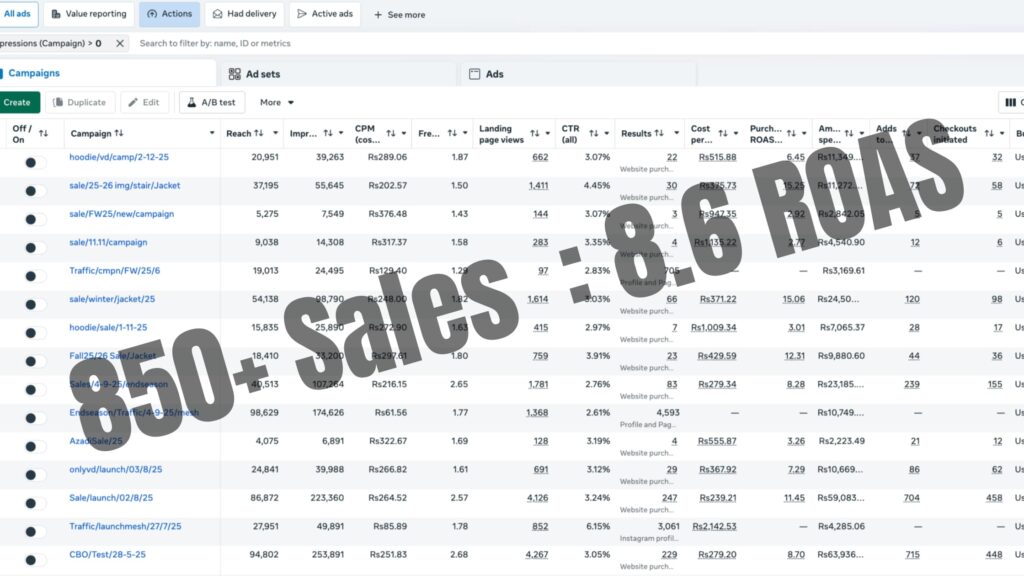
Generated 856+ Website Purchases with an 8.6 ROAS for a Shopify Men’s Wear Store Facebook Ads success isn’t about finding a single “winning” audience anymore—it’s about building a repeatable system that delivers consistent results. Over 18 months, I managed Meta Ads campaigns for an eCommerce brand with one goal: increase profitable sales while maintaining a strong Return on Ad Spend (ROAS). The Challenge Like many growing eCommerce businesses, the brand faced several challenges: Rising advertising costs Creative fatigue Seasonal fluctuations in demand Increased competition Scaling sales without sacrificing profitability Instead of relying on a single campaign or one successful ad, the objective was to build a scalable advertising system that could perform consistently month after month. The Strategy To achieve sustainable growth, I focused on a performance-driven approach that included: Structured Campaigns Separate campaigns for product launches, seasonal promotions, restocks, and best-selling collections. Creative Testing Regular testing of new creatives, headlines, ad copy, and offers to identify top-performing combinations. Data-Driven Optimization Every decision was based on performance metrics rather than assumptions. Smart Budget Scaling Budgets were increased only after campaigns consistently delivered profitable results. Full-Funnel Analysis: Performance was tracked from impressions and landing page views to add-to-cart actions, checkout initiations, and completed purchases. This strategy ensured campaigns remained profitable while continuously improving performance over time. Results The campaigns delivered strong and consistent results throughout the reporting period: 856+ Website Purchases 283,000+ People Reached 1.12M+ Impressions 21,000+ Landing Page Views 8.64 Average ROAS Rs. 338 Avg Cost Per Purchase These results weren’t driven by luck—they were the outcome of continuous testing, strategic optimization, and disciplined campaign management. Performance Over Time & Reports Rather than highlighting only the best-performing month, I’ve included performance reports covering January 2025 through July 2026. These monthly and yearly reports demonstrate the consistency of the strategy across different seasons, promotional campaigns, and scaling phases. Yearly Highlight Jan to Dec 2025 Complete Overview Yearly Highlight Jan to July 2026 Complete Overview 📅 Monthly Breakdown Reports July 2026 Campaign Report June 2026 Campaign Report May 2026 Campaign Report April 2026 Campaign Report March 2026 Campaign Report February 2026 Campaign Report January 2026 Campaign Report July 2026 Campaign Report June 2026 Campaign Report May 2026 Campaign Report April 2026 Campaign Report March 2026 Campaign Report February 2026 Campaign Report January 2026 Campaign Report Key Takeaways This case study reinforces a simple principle: successful Facebook Ads campaigns are built through continuous improvement. By focusing on: Data instead of assumptions Creative testing instead of guesswork Strategic scaling instead of aggressive spending Business outcomes instead of vanity metrics It’s possible to build campaigns that generate predictable, profitable growth over the long term. Ready to Scale Your Facebook Ads? Whether you’re launching a new product, growing your eCommerce store, or struggling to achieve a profitable ROAS, I can help you build a Facebook Ads strategy tailored to your business goals. Get Free Consultation

Scroll to Top